Musical Geography
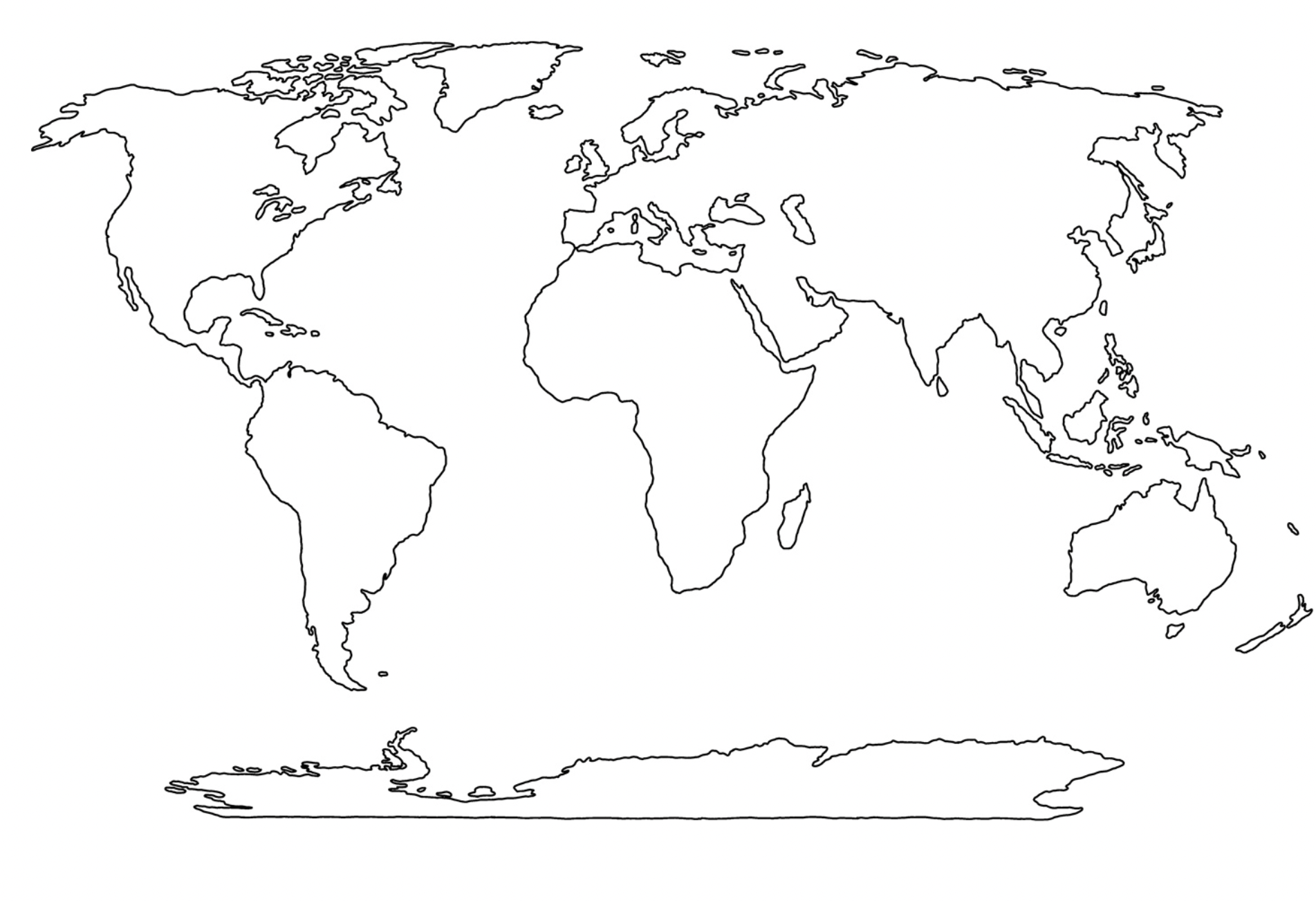
An easy way to get students to start thinking globally in orchestra is a map activity. I start with a pic of the blank world map on the Promethean and all the names of the countries/regions that they had to place on the map. The countries or regions listed relate to the music that we are working on in classes. Upon entering the room, many already knew what they were going to have to do, and made comments like: “I have no idea where that it is” and “This is going to be interesting.”

Each student is given an info sheet and the blank map. I begin with the three reasons why we were doing this activity. I read one of them and two students can read the others. Here they are, as listed on the info sheet provided to them:
Why are we doing this?
- To emphasize the importance of place in shaping a person: Your home, your family, your community, your school, and all the experiences in these places shape who you are. Take care of the planet because it keeps you alive. Respect those who provided you with opportunities to grow and to learn. Don’t take things for granted.
- To establish closer, deeper, and more meaningful connections with the music, each other, and ourselves: Connections help us get along. We all need love. The world needs less fighting and more understanding. Knowing more about the music can help us play it with more expression.
- To become global citizens: A global citizen respects different viewpoints of the different peoples on this earth, empathizes with others, and understands that because the world’s problems are interconnected, we need to put aside our differences in order to find solutions.
After reading why we are doing this, I have students try to label the countries on their world map. I have them work individually, at first, then in pairs.
Here are the countries I had my students try to find when I first did the activity. Rather than just a list of countries, I wrote statements that connected to the music we were working on, hoping to emphasize the connection to map literacy, global awareness, and global education. I also included fun facts and social emotional learning tidbits to add variety. You should adapt the countries to suit your particular program:
- “Doraji,” “Arirang,” and “Permission to Dance” come from Korea
- “Two Silk Screens from Kyoto” is inspired by music from Japan
- Singapore is nicknamed the “Lion City”
- “Gates of Olympus” is inspired by ancient Greece
- “Canon” is by composer Johann Pachelbel who lived in Germany
- “Hot Cross Buns” is a street cry from England
- “A Mariachi Christmas” is inspired by mariachi rhythms from Mexico
- “North Pole March”:
- There’s a north pole in the Arctic Ocean next to Greenland
- There’s a town called North Pole in Alaska where Christmas is celebrated year-round
- Ben E. King, the composer of “Stand by Me,” was born in North Carolina, but spent most of his life in New York and New Jersey
- “Yumiweeus” by Richard Meyer was inspired by hand drumming music from West Africa
- Many musical terms such as pizzicato, forte, and tempo come from Italy
- We are going to Anaheim, California this year. Trips help us bond socially, increase confidence and pride, and improve our playing skills.
- We went to Orlando, Florida last year. Remember to thank whoever paid for this learning opportunity.
- Mr. Uyehara loves adobo, a dish from the Philippines
- Team 8A is known as “Almighty Alpacas.” Alpacas are native to Peru
The first time I did this activity the results were quite dismal. There was hope, though, in the one or two students in each class who were able to locate the additional, challenge countries/regions that I gave to them. I definitely need to incorporate more geographic activities, such as this one, to help my students become globally competent.
 Uyehara in Uruguay